Blog

Thoughts on machine learning, AI research, and computational science.

Blog post thumbnail
Reasoning, Scaling

Why thinking longer helps: test-time compute and the new scaling axis

November 17, 2026

Test-time compute adds a second scaling axis: instead of training a bigger model, let the model think longer. Sampling, verifier-guided search, and iterative revision, and where each stops working.

Read More

Blog post thumbnail
Multimodality, Reasoning

What is a world model, and why is everyone building one?

November 16, 2026

A world model predicts what happens next in the world, and it is quietly becoming one of the most important ideas in machine learning. Video generators and latent predictors take two different routes to the same goal, and the real question is whether either of them actually understands physics.

Read More
Blog post thumbnail
Diffusion, Reasoning

Same accuracy, different trajectory: measuring reasoning in diffusion language models

November 14, 2026

Final-answer accuracy gives three very different models the same score. Traj-eval scores the trajectory instead, and finds Dream-7B and LLaDA behave very differently under reasoning.

Read More
Blog post thumbnail
Alignment

How does RLHF actually work, and what does it change?

November 10, 2026

RLHF turns a raw next-token predictor into an assistant. A walk through SFT, the reward model, and PPO, and the question researchers still argue about.

Read More
Blog post thumbnail
Multimodality

How do multimodal models actually combine text and images?

November 5, 2026

A model never sees the image. It reads a sequence of vectors a vision encoder produced, translated by a learned bridge into a space built for words.

Read More
Blog post thumbnail
Alignment

Why language models hallucinate

November 3, 2026

A language model rarely says “I don’t know.” Hallucination is a direct consequence of next-token prediction, and fluency is not a signal of truth.

Read More
Blog post thumbnail
Interpretability

Can we read a model's mind? What probing actually tells us (and what it does not)

October 29, 2026

A probe that predicts well shows information is present, not that the model uses it. What probing can and cannot tell us about a model's mind.

Read More
Blog post thumbnail
Reasoning, Diffusion

Thinking without words: verbal chain-of-thought vs latent and trajectory-based reasoning

October 27, 2026

Chain-of-thought is the default way we judge reasoning, but models can also reason in hidden states or across a diffusion trajectory. What each style hides.

Read More
Blog post thumbnail
Diffusion, Reasoning

Do diffusion models actually reason, or just denoise?

October 24, 2026

Diffusion models pass through dozens of intermediate states before answering. Is the trajectory doing reasoning work, or just converging to a sample?

Read More
Blog post thumbnail
Generative Models

Variational Autoencoders (VAEs)

August 16, 2025

Variational autoencoders learn a distribution by approximating an intractable posterior with variational inference, the ELBO, and the reparameterization trick.

Read More
Blog post thumbnail
Multimodality, Diffusion

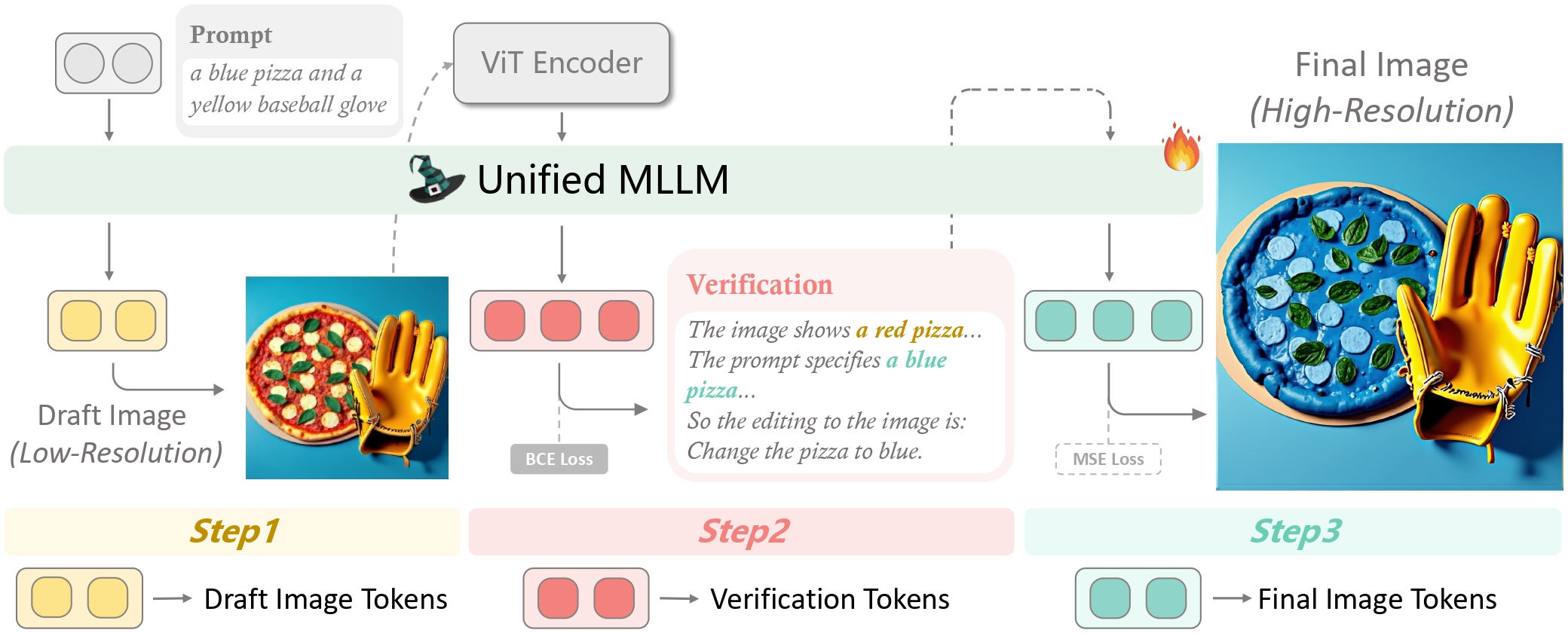
DraCo: Revolutionizing Text-to-Image Generation with Visual Chain-of-Thought

December 6, 2025

An in-depth analysis of how Draft-as-CoT achieves +8% improvement on GenEval through visual chain-of-thought planning for improved text-to-image generation.

Read More
Blog post thumbnail
Diffusion

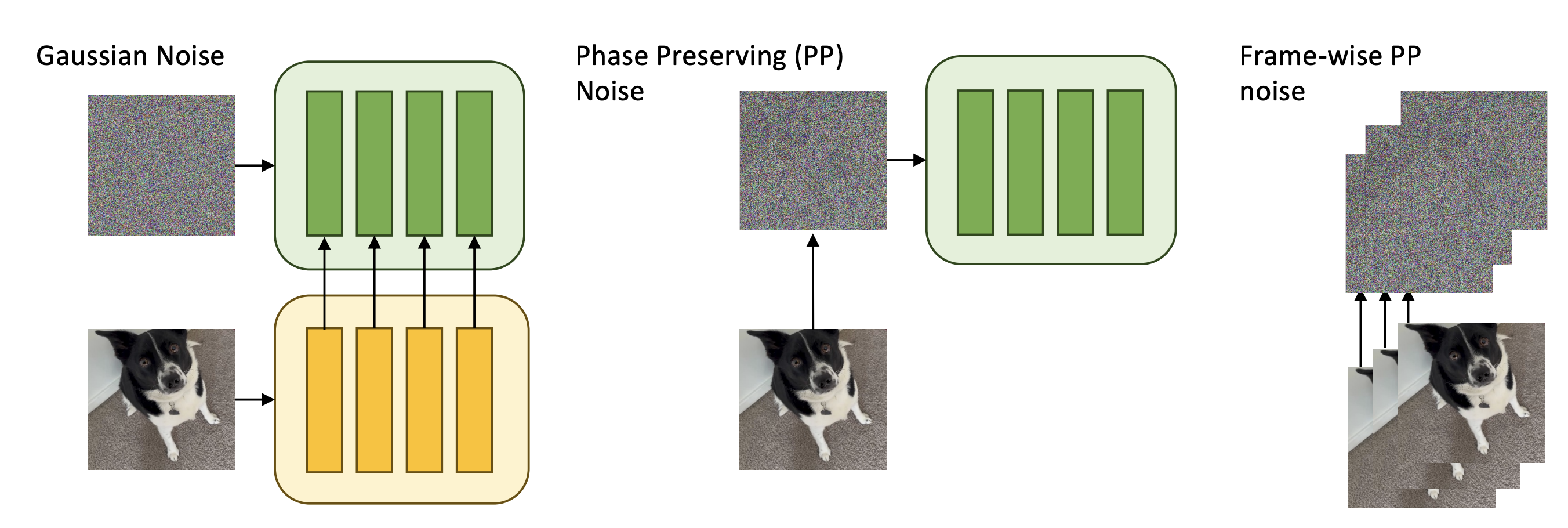
NeuralRemaster: Phase-Preserving Diffusion for Structure-Aligned Generation

December 4, 2025

An in-depth exploration of phase-preserving diffusion mechanisms that maintain spatial structure while enabling flexible content generation for re-rendering and sim-to-real transfer.

Read More
Blog post thumbnail
Multimodality

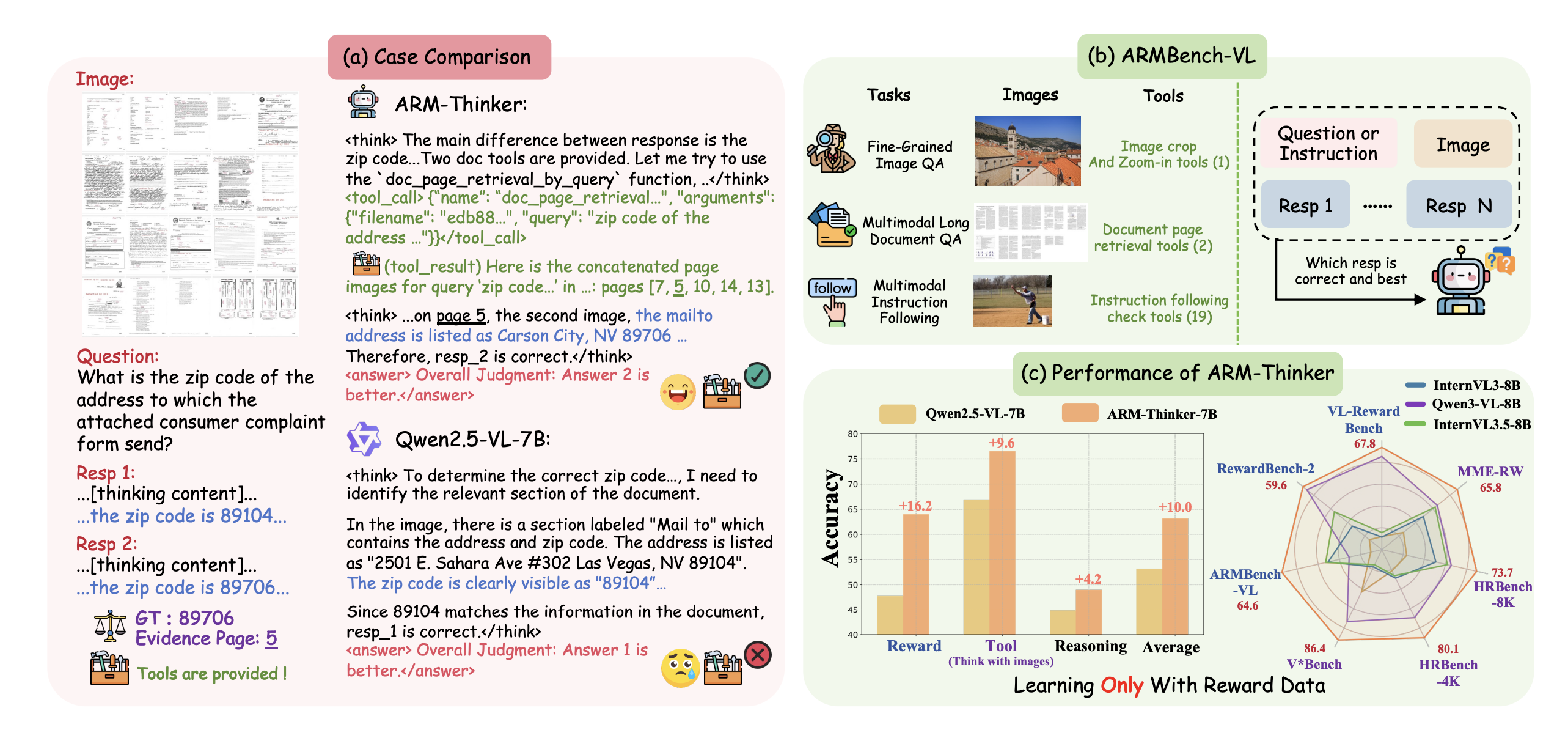
ARM-Thinker: Agentic Multimodal Reward Models with Tool Use and Visual Reasoning

December 4, 2025

How agentic tool use and visual reasoning enable +16.2% improvement on reward modeling benchmarks for vision-language alignment.

Read More
Blog post thumbnail
Diffusion

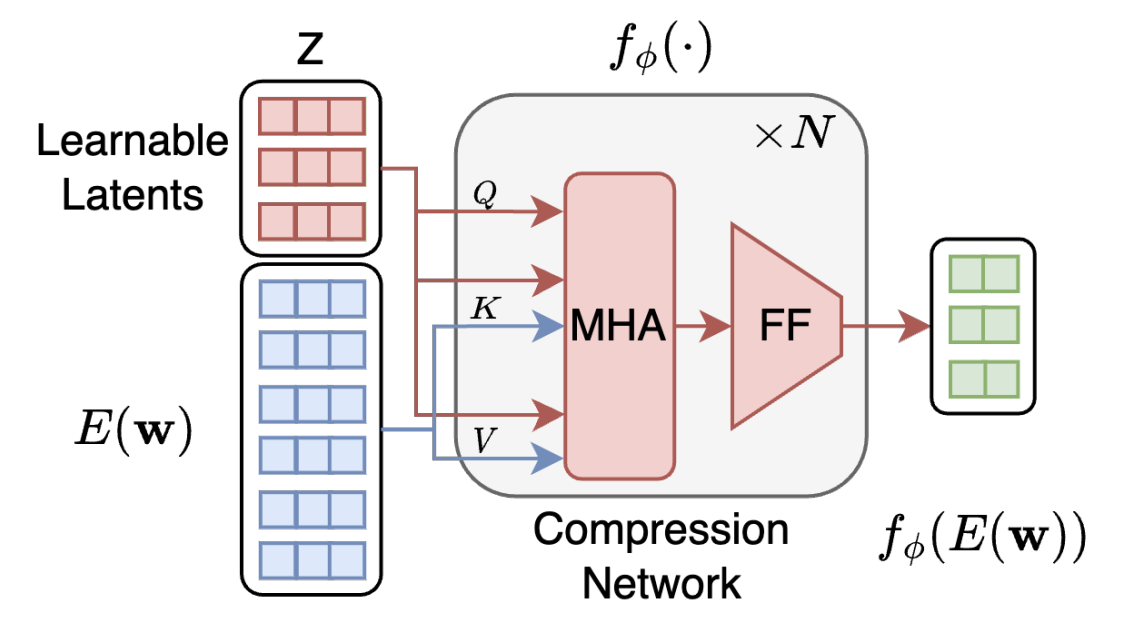
Latent Diffusion for Natural Language Generation: Efficient Text in Learned Spaces

October 17, 2025

How latent diffusion models enable efficient and controllable text generation by operating diffusion in learned continuous latent spaces.

Read More
Blog post thumbnail
Diffusion

Encoder-Decoder Diffusion Language Models: Efficient Training and Inference

October 22, 2025

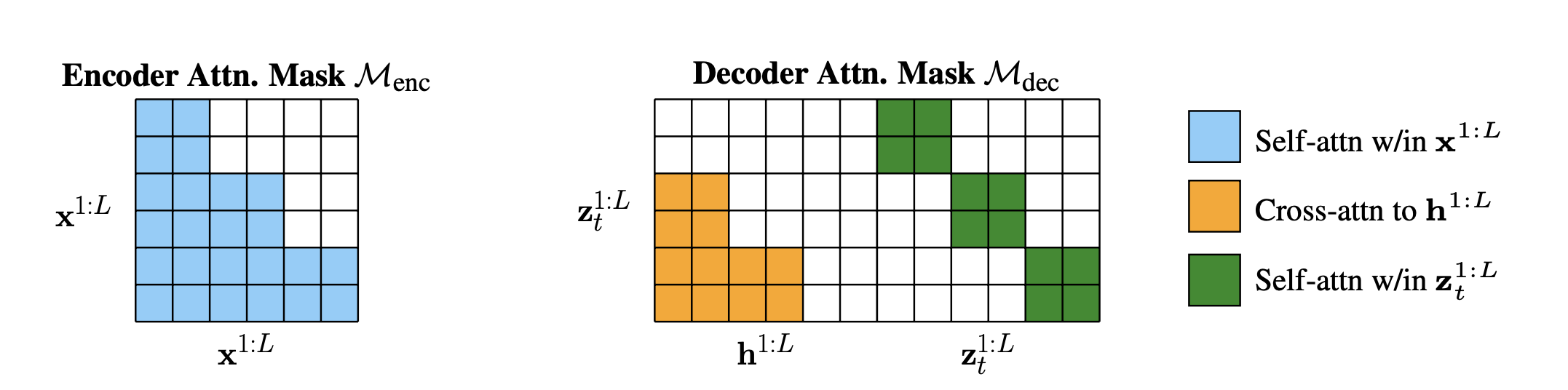
How encoder-decoder architectures optimize diffusion language models with 69% faster training and 345% faster inference while maintaining quality.

Read More